Login
 USD $
USD $
USD $  AUD AUD
 CAD CAD
 GBP £
GBP £ EUR €
EUR €

All Categories
(0) My Cart (0)
Lambskin Dildo
New Arrival
Mushroom Dildo
Cheap
Huge Dildo
Penis Pumps
Masturbation Cup
Chastity Cage
Pocket Pussy
pleated filter cartridge factory
high flow filter cartridge
large flow filter cartridge
membrane pleated filter cartridge
capsule filter suppliers
capsule filter 0.2 micron
capsule filter price
capsule filter
water filter cartridge



Women's safe period is not safe. Postpartum lactation is not equal to safe period.
Women of childbearing age are most likely to conceive within 2-3 days after ovulation each month. It is difficult to conceive for more than 20 days in a month, which is called a "safe period". But the "safe period" is not safe. Although the ovulation time of women is mostly in the middle of menstruation, it can be advanced or delayed due to the influence of external environment, temperature, mood, health status and other factors. Some women may also have "extra ovulation" when stimulated by sexual life, bearing reluctant "fruit". For this reason, it is better for women of childbearing age to choose reliable long-term contraceptive measures.
Lactation contraception
The pituitary gland, the "king of endocrine" of the human body, is controlled by the hypothalamus of the "immediate boss". When the baby sucks the nipple, it can reflexively inhibit the hypothalamus, thereby inhibiting ovarian ovulation. If the baby sucks less nipple, or if the mother is affected by environmental change, climate change, mood change and sexual life, it is likely to affect ovarian ovulation through the cerebral cortex. Due to ovulation first, after menstruation, some women may become pregnant before the future of menstruation, commonly known as "secret pregnancy". According to the survey, 5% to 10% of women get pregnant inexplicably during lactation. Postpartum contraception is generally appropriate to use condoms and birth control ring, should not take contraceptive, so as not to affect lactating babies.
Menopausal contraception
Women who are in menopause think that they are short of menstruation, are close to menopause and will no longer have the chance to get pregnant, so they give up contraception. However, according to the statistics of obstetrics and gynecology in some hospitals girl using vibrator , among all age groups, 4O~45 age group is the highest, followed by 2O~24 age group. To investigate the reason, women to menopause, although ovarian function decline, estrogen and progesterone secretion decreased, but the ovary may still ovulate, there is still the possibility of pregnancy. Relevant data show that due to the unhealthy aging of eggs, menopausal women are pregnant, the incidence of hydatidiform mole is 4-7 times higher than that of women of childbearing age, and most of them have malignant changes (malignant transformation of hydatidiform mole or choriocarcinoma). In this regard, menopausal women should also adhere to contraception until 1-2 years after menopause.
Postpartum lactation is not equal to "safe period"
Some people think that the postpartum lactation period is a "safe period", and you don't have to take any contraceptive measures to have sex. This is unscientific. According to the survey, about 1 / 3 of lactating mothers will become pregnant before menstruation resumes. This shows that lactation is definitely not a "safe period" and the use of lactation contraception is unreliable. Once pregnant, the nurse has to do abortion, and at this time the uterus is relatively thin, brittle and soft, which is easy to cause uterine perforation and cause massive bleeding, which is very disadvantageous to the nurse's body. If the pregnant woman of cesarean section is pregnant, it is more difficult to do induced abortion, and the harm to the body is even greater, needless to say, it will seriously affect or even block breastfeeding.
Exclusively breastfed mothers, if the baby is fed day and night and amenorrhea, then the contraceptive effect can reach more than 95% within 6 months, but must adhere to breastfeeding, and must be in a state of amenorrhea, if only a few times of breast milk, or menstruation has returned to menstruation, then the effect is unreliable.
At present, the more appropriate method of lactation contraception is tool contraception. Because the commonly used contraceptive is a hormone, such as oral contraceptive No. 1, No. 2, etc., it can not only reduce milk secretion, but also enter the baby through lactation, which will have an adverse effect on the baby. Commonly used contraceptives include penile condom, vaginal diaphragm, intrauterine device and so on. Penile condom contraception, easy to use, very easy to grasp, and the effect is reliable, as long as it can be used correctly, the success rate is higher than the birth control ring. Vaginal diaphragm contraception, the contraceptive effect is good, the contraceptive rate can reach 98%, there is neither foreign body sensation nor sexy barrier, but the technical requirements are relatively high, and it is troublesome to maintain after use. To use this method of contraception, you must first ask a gynecologist to do a gynecological examination, choose an appropriate model according to the size of the vagina, and learn how to put it in and out under the guidance of the doctor. For people suffering from uterine prolapse or vaginal wall relaxation, the position of the uterine cap is not easy to be fixed, the effect will be poor dildo machine , so it is not appropriate to choose this method. If you have menstruation 3 months after delivery, the parturient can choose to place an intrauterine device.
Generally speaking, the contraceptive effect of IUD is ideal. Because it is convenient to use, does not affect sex appeal, and has better safety effect, it is currently the most widely used and most popular female contraceptive tool in our country. It is also a more suitable contraceptive tool for lactating parturients. However, if postpartum women have premature rupture of membranes, infection, fever and postpartum hemorrhage, you can consider delaying the placement time.
Lactating women can not take contraceptive, because the postpartum woman's body is in a state of adjustment realistic dildo , especially endocrine changes. Eating contraceptive at this time will affect the quality of milk, which is harmful to the health of newborns. In addition, oral contraceptive can also inhibit milk secretion, which will affect the smooth progress of breastfeeding. Therefore, in this special period, whether it is long-term contraceptive or short-term contraceptive, parturients should be banned. Of course, pregnant women who are not breastfeeding can choose to use it when the endocrine in the body has basically returned to normal after the month.
Women no longer rely on men for contraception!
In a survey of 2500 American women, Glamour magazine listed several contraceptives with high success rates as follows:
1. Vaginal contraceptive sponge (The Today Sponge)
Vaginal contraceptive sponge is round, its diameter is about 5.5 cm, thickness is about 2.5 cm, one side depression can cover the cervical mouth, one side has a ring belt can pull out the sponge after sex. The success rate is as high as 84%.
Women like: a lovely contraceptive sponge is easy to use and can be made many times in 24 hours.
But don't like: it's too painful to take it out, and it makes your skin allergic to the spermicide in the sponge.
2. Contraceptive vaginal ring (NuvaRing)
NuvaRing is a soft transparent ring with an outer diameter of 5.4mm, which only needs to be placed once a month. Women can easily put it into their vagina, and then they do not need to use other contraceptive methods. It is a hormonal contraceptive method with a success rate of 92%. Take it out three weeks later, and place a new one a week later.
Women like: we call it "set it and forget it". It's so convenient!
But don't like: I'm just worried that it will slip out on its own and it will be drier down there.
3. Contraceptive membrane (Diaphragm)
The diaphragm can only guarantee one contraceptive, and if you have sex again, you need to use it again. After having sex, you can't rinse your vagina immediately. If it is not washed, it will be absorbed and excreted with vaginal secretions, which will not cause harm to the body.
Women like: it is completely hormone-free and easy to place.
But don't like: I can't make up my mind about whether or not to wash after having sex.
4. Female contraceptive patch (The Patch)
The contraceptive patch is about the size of half a business card, like a flesh-colored sticker. Through the uninterrupted release of hormones, through the skin, blood vessels into the blood, so as to inhibit ovulation, and then achieve the effect of contraception. It can be affixed to any of the four parts of the buttocks, abdomen, arms and shoulders, but not to the chest. Apply one tablet on the first day of menstruation or the first Sunday of the beginning of menstruation and change it on the same day of each week for three consecutive periods. The fourth week does not need to be used. The patch is waterproof so users don't have to worry about it falling off when taking a bath or swimming. The success rate is also as high as 92%.
Women like: convenient, or very convenient! And not as easy to forget as oral contraceptive.
But don't like: because it is a hormonal contraceptive, I always feel that I have some serious illness in my heart. Besides, this patch is superglue!
5. Birth control ring (IUD)
This seemingly scary thing is called the birth control ring, and the "device" is called the uterine device. It can be kept in the womb for five years from the beginning of implantation. Especially suitable for women with excessive blood and dysmenorrhea, the success rate is as high as 99%, it can be said that there is almost no possibility of pregnancy.
Women like: you can forget about unplanned pregnancy during sex!
But don't like: it makes some women feel colic in the lower body.
6. Subcutaneous implant (Implanon)
The average placement time is half a minute to 2 minutes, and it takes up to 5 minutes to remove. Place it 1 to 5 days after menstruation.
Women like: you don't have to think about taking it out every day, and it can treat dysmenorrhea!
But don't like: it hurts and it bleeds.
7. Medroxyprogesterone contraceptive needle (Depo-Provera)
Once given, it can be used for contraception for 3 months. 150mg was injected once every 3 months on the 2nd to 7th day of menstruation.
Women like: reduces dysmenorrhea, and regular injections relieve you of the trouble of forgetting to eat contraceptive.
But don't like: irregular bleeding bullet vibrator , headaches, weight gain, osteoporosis, and amenorrhea in some women.
8. Sterilization (Sterilization)
The operation itself is much more cruel than the picture. I don't want to say much here, but the success rate is almost 100%. Unless you give up the idea of continuing incense, it is not recommended!
Women like: never have to worry about getting pregnant!
But don't like: the procedure is short but painful, and 20% of women who are sterilized before the age of 30 regret it for the rest of their lives.
Compared to the most primitive method of contraception-squatting down after intercourse, sneezing and jumping up and down, you have to say that today's technology is really advanced! Unplanned pregnancy is a nightmare for many people, because except for some of those who get married with children, other women have to accept the painful experience that life is worse than death on the operating table of abortion. But then again, an unplanned pregnancy is a "one willing to fight, one willing to suffer" problem, and it doesn't put all the blame on the man. Now, with these female contraceptives, women can control whether they will get pregnant or not, reducing the embarrassment of persuading men to use condoms and spoiling the romantic atmosphere of foreplay by wearing condoms. But this is not an excuse for men to escape responsibility and take advantage of the moment!
Remember, condoms are the only way to prevent the invasion of AIDS, and female contraceptives, no matter how light they are, will do some harm to a woman's body and mind, so if you love her, wear a condom obediently.
Realistic dildo | best vibrator | pvc dildo | fat pocket pussy | Mushroom Head Dildo | Penis Pumps
Lactation contraception
The pituitary gland, the "king of endocrine" of the human body, is controlled by the hypothalamus of the "immediate boss". When the baby sucks the nipple, it can reflexively inhibit the hypothalamus, thereby inhibiting ovarian ovulation. If the baby sucks less nipple, or if the mother is affected by environmental change, climate change, mood change and sexual life, it is likely to affect ovarian ovulation through the cerebral cortex. Due to ovulation first, after menstruation, some women may become pregnant before the future of menstruation, commonly known as "secret pregnancy". According to the survey, 5% to 10% of women get pregnant inexplicably during lactation. Postpartum contraception is generally appropriate to use condoms and birth control ring, should not take contraceptive, so as not to affect lactating babies.
Menopausal contraception
Women who are in menopause think that they are short of menstruation, are close to menopause and will no longer have the chance to get pregnant, so they give up contraception. However, according to the statistics of obstetrics and gynecology in some hospitals girl using vibrator , among all age groups, 4O~45 age group is the highest, followed by 2O~24 age group. To investigate the reason, women to menopause, although ovarian function decline, estrogen and progesterone secretion decreased, but the ovary may still ovulate, there is still the possibility of pregnancy. Relevant data show that due to the unhealthy aging of eggs, menopausal women are pregnant, the incidence of hydatidiform mole is 4-7 times higher than that of women of childbearing age, and most of them have malignant changes (malignant transformation of hydatidiform mole or choriocarcinoma). In this regard, menopausal women should also adhere to contraception until 1-2 years after menopause.
Postpartum lactation is not equal to "safe period"
Some people think that the postpartum lactation period is a "safe period", and you don't have to take any contraceptive measures to have sex. This is unscientific. According to the survey, about 1 / 3 of lactating mothers will become pregnant before menstruation resumes. This shows that lactation is definitely not a "safe period" and the use of lactation contraception is unreliable. Once pregnant, the nurse has to do abortion, and at this time the uterus is relatively thin, brittle and soft, which is easy to cause uterine perforation and cause massive bleeding, which is very disadvantageous to the nurse's body. If the pregnant woman of cesarean section is pregnant, it is more difficult to do induced abortion, and the harm to the body is even greater, needless to say, it will seriously affect or even block breastfeeding.
Exclusively breastfed mothers, if the baby is fed day and night and amenorrhea, then the contraceptive effect can reach more than 95% within 6 months, but must adhere to breastfeeding, and must be in a state of amenorrhea, if only a few times of breast milk, or menstruation has returned to menstruation, then the effect is unreliable.
At present, the more appropriate method of lactation contraception is tool contraception. Because the commonly used contraceptive is a hormone, such as oral contraceptive No. 1, No. 2, etc., it can not only reduce milk secretion, but also enter the baby through lactation, which will have an adverse effect on the baby. Commonly used contraceptives include penile condom, vaginal diaphragm, intrauterine device and so on. Penile condom contraception, easy to use, very easy to grasp, and the effect is reliable, as long as it can be used correctly, the success rate is higher than the birth control ring. Vaginal diaphragm contraception, the contraceptive effect is good, the contraceptive rate can reach 98%, there is neither foreign body sensation nor sexy barrier, but the technical requirements are relatively high, and it is troublesome to maintain after use. To use this method of contraception, you must first ask a gynecologist to do a gynecological examination, choose an appropriate model according to the size of the vagina, and learn how to put it in and out under the guidance of the doctor. For people suffering from uterine prolapse or vaginal wall relaxation, the position of the uterine cap is not easy to be fixed, the effect will be poor dildo machine , so it is not appropriate to choose this method. If you have menstruation 3 months after delivery, the parturient can choose to place an intrauterine device.
Generally speaking, the contraceptive effect of IUD is ideal. Because it is convenient to use, does not affect sex appeal, and has better safety effect, it is currently the most widely used and most popular female contraceptive tool in our country. It is also a more suitable contraceptive tool for lactating parturients. However, if postpartum women have premature rupture of membranes, infection, fever and postpartum hemorrhage, you can consider delaying the placement time.
Lactating women can not take contraceptive, because the postpartum woman's body is in a state of adjustment realistic dildo , especially endocrine changes. Eating contraceptive at this time will affect the quality of milk, which is harmful to the health of newborns. In addition, oral contraceptive can also inhibit milk secretion, which will affect the smooth progress of breastfeeding. Therefore, in this special period, whether it is long-term contraceptive or short-term contraceptive, parturients should be banned. Of course, pregnant women who are not breastfeeding can choose to use it when the endocrine in the body has basically returned to normal after the month.
Women no longer rely on men for contraception!
In a survey of 2500 American women, Glamour magazine listed several contraceptives with high success rates as follows:
1. Vaginal contraceptive sponge (The Today Sponge)
Vaginal contraceptive sponge is round, its diameter is about 5.5 cm, thickness is about 2.5 cm, one side depression can cover the cervical mouth, one side has a ring belt can pull out the sponge after sex. The success rate is as high as 84%.
Women like: a lovely contraceptive sponge is easy to use and can be made many times in 24 hours.
But don't like: it's too painful to take it out, and it makes your skin allergic to the spermicide in the sponge.
2. Contraceptive vaginal ring (NuvaRing)
NuvaRing is a soft transparent ring with an outer diameter of 5.4mm, which only needs to be placed once a month. Women can easily put it into their vagina, and then they do not need to use other contraceptive methods. It is a hormonal contraceptive method with a success rate of 92%. Take it out three weeks later, and place a new one a week later.
Women like: we call it "set it and forget it". It's so convenient!
But don't like: I'm just worried that it will slip out on its own and it will be drier down there.
3. Contraceptive membrane (Diaphragm)
The diaphragm can only guarantee one contraceptive, and if you have sex again, you need to use it again. After having sex, you can't rinse your vagina immediately. If it is not washed, it will be absorbed and excreted with vaginal secretions, which will not cause harm to the body.
Women like: it is completely hormone-free and easy to place.
But don't like: I can't make up my mind about whether or not to wash after having sex.
4. Female contraceptive patch (The Patch)
The contraceptive patch is about the size of half a business card, like a flesh-colored sticker. Through the uninterrupted release of hormones, through the skin, blood vessels into the blood, so as to inhibit ovulation, and then achieve the effect of contraception. It can be affixed to any of the four parts of the buttocks, abdomen, arms and shoulders, but not to the chest. Apply one tablet on the first day of menstruation or the first Sunday of the beginning of menstruation and change it on the same day of each week for three consecutive periods. The fourth week does not need to be used. The patch is waterproof so users don't have to worry about it falling off when taking a bath or swimming. The success rate is also as high as 92%.
Women like: convenient, or very convenient! And not as easy to forget as oral contraceptive.
But don't like: because it is a hormonal contraceptive, I always feel that I have some serious illness in my heart. Besides, this patch is superglue!
5. Birth control ring (IUD)
This seemingly scary thing is called the birth control ring, and the "device" is called the uterine device. It can be kept in the womb for five years from the beginning of implantation. Especially suitable for women with excessive blood and dysmenorrhea, the success rate is as high as 99%, it can be said that there is almost no possibility of pregnancy.
Women like: you can forget about unplanned pregnancy during sex!
But don't like: it makes some women feel colic in the lower body.
6. Subcutaneous implant (Implanon)
The average placement time is half a minute to 2 minutes, and it takes up to 5 minutes to remove. Place it 1 to 5 days after menstruation.
Women like: you don't have to think about taking it out every day, and it can treat dysmenorrhea!
But don't like: it hurts and it bleeds.
7. Medroxyprogesterone contraceptive needle (Depo-Provera)
Once given, it can be used for contraception for 3 months. 150mg was injected once every 3 months on the 2nd to 7th day of menstruation.
Women like: reduces dysmenorrhea, and regular injections relieve you of the trouble of forgetting to eat contraceptive.
But don't like: irregular bleeding bullet vibrator , headaches, weight gain, osteoporosis, and amenorrhea in some women.
8. Sterilization (Sterilization)
The operation itself is much more cruel than the picture. I don't want to say much here, but the success rate is almost 100%. Unless you give up the idea of continuing incense, it is not recommended!
Women like: never have to worry about getting pregnant!
But don't like: the procedure is short but painful, and 20% of women who are sterilized before the age of 30 regret it for the rest of their lives.
Compared to the most primitive method of contraception-squatting down after intercourse, sneezing and jumping up and down, you have to say that today's technology is really advanced! Unplanned pregnancy is a nightmare for many people, because except for some of those who get married with children, other women have to accept the painful experience that life is worse than death on the operating table of abortion. But then again, an unplanned pregnancy is a "one willing to fight, one willing to suffer" problem, and it doesn't put all the blame on the man. Now, with these female contraceptives, women can control whether they will get pregnant or not, reducing the embarrassment of persuading men to use condoms and spoiling the romantic atmosphere of foreplay by wearing condoms. But this is not an excuse for men to escape responsibility and take advantage of the moment!
Remember, condoms are the only way to prevent the invasion of AIDS, and female contraceptives, no matter how light they are, will do some harm to a woman's body and mind, so if you love her, wear a condom obediently.
Realistic dildo | best vibrator | pvc dildo | fat pocket pussy | Mushroom Head Dildo | Penis Pumps


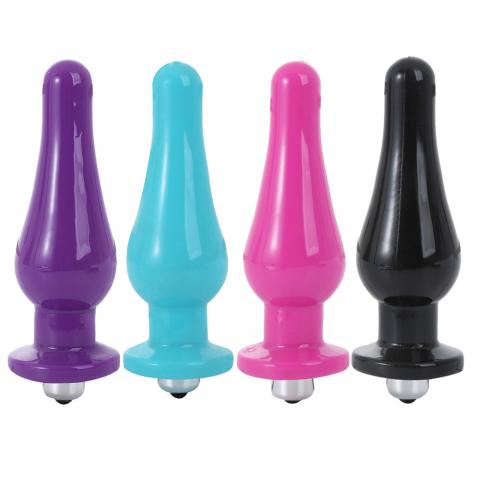

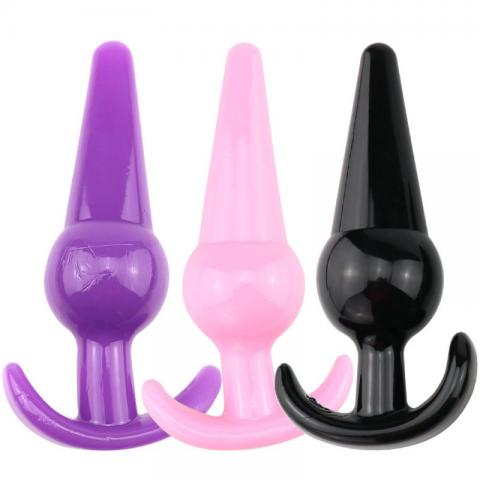
- Seaman Anal Plug
- $2.07
Read More huge dildo
Subscribe for Join Us!
Subcribe to get $10 OFF for order.
- Information
- About us
- Contact us
- Customer Service
- Privacy Policy
- Return Policy
- Shopping Guide
- Payment Methods
- Products
- Dildos
- Vibrators
- Penis Pumps
- Masturbation Cup
- Love Egg
- Contact Us
- [email protected]
- Room 1003, Chevalier House, 188 Chatham Road South, Tsim Sha Tsui, Kowloon, Hong Kong
CopyRight © 2026 wlovew.com. All Rights Reserved.


-
Follow Us On WhatsApp
My Cart (0)
Follow Us On WhatsApp
10$


 Want $10 OFF
Your First Order?
Sign up for the latest product information,offers,and more.
By providing your email address you are consenting to the terms of this privacy policy. select brand exclusions apply.
