Login
 USD $
USD $
USD $  AUD AUD
 CAD CAD
 GBP £
GBP £ EUR €
EUR €

All Categories
(0) My Cart (0)
Lambskin Dildo
New Arrival
Mushroom Dildo
Cheap
Huge Dildo
Penis Pumps
Masturbation Cup
Chastity Cage
Pocket Pussy
pleated filter cartridge factory
high flow filter cartridge
large flow filter cartridge
membrane pleated filter cartridge
capsule filter suppliers
capsule filter 0.2 micron
capsule filter price
capsule filter
water filter cartridge



When do you eat contraceptive? The secret of contraception that doctors don't tell.
When it comes to contraception, the doctor may not tell you everything, and some key facts are not understood by most women and have not attracted enough attention.
Do you think the doctor will tell you in the first place if there is any new breakthrough in contraception? Unfortunately, the doctor may have concealed a lot of details from you. Why? Maybe because you didn't ask any questions, she thinks you have all the information you need to know; maybe she has a full schedule and receives countless eager people like you every day, so she doesn't have time to have an in-depth conversation with you. Perfunctory.
A website once conducted an opinion poll of more than 2000 women, and 33% of the women replied that the annual gynaecological examination was just scratching the surface to cope with it. It is precisely the information you do not know that may lay hidden dangers and hurt you. Among the women who used contraception, 2gam3 found that they were "unexpectedly" pregnant because of incorrect methods or improper coordination with their lifestyles. In practice, contraception cannot be 100% safe or prevent STDs, but the following seven unknown facts are likely to have a serious impact on your life.
The secret of contraception that doctors don't tell.
Secret 1: weight is at work
For women between the ages of 18 and 39, oral contraceptive is 60 per cent likely to fail if their weight is equal to or greater than 58kg vibrators for women , especially those with low estrogen levels. Overweight women have a faster metabolism and need more hormones to prevent pregnancy. Moreover, contraceptive has the effect of dissolving fat and may "stay" in the place where fat is stored in the body, unable to reach the place where it should be in the blood. If you weigh more than 58 kilograms, it's best to ask your doctor to recommend other more reliable methods, such as an intrauterine device, or a combination of contraceptive and condoms to be foolproof.
Secret 2: the enduring is the most effective
In fact, there are quite a lot of effective contraceptive methods that you don't know about, have never imagined, and have never been recommended to you. Curious? Intrauterine device (IUD) is one of the cases. This is a small T-shaped contraceptive device placed in the womb. It is made of flexible soft plastic and must be embedded in your body with the help of a doctor. After that, even if the egg has been fertilized, it will not grow in bed in the womb, as long as there is nothing abnormal, no matter for a year or two, and will not cause trouble to sex, very convenient.
Generally speaking, today's IUD is quite safe, only one brand called "Dalkson Shield" once deviated and disappeared from the market in the 1970s, but it more or less affected the reputation of IUD. Although it is already quite common in other countries, less than 1% of women choose to use it. This situation is not optimistic, because for monogamous families, IUD does not guarantee you against sexually transmitted diseases, but it is the most effective form of contraception. Once placed, you can forget about it, not only without the other hormonal side effects that contraceptive may have, but also with excellent results-with a failure rate of only 1 per cent a year.
There are two types of IUD, the latest of which is Mirena. As we know, there are more than 100 million sperm in the semen emitted by men, and this vast army swims in the female reproductive tract, swimming 2-3 millimeters per minute, breaking through the vagina, cervix, uterine cavity and fallopian tubes. Date with eggs. The principle of Mirena is to release pregnancy hormone into the uterus, thickening the cervical mucus, making it difficult for the sperm to penetrate the mucus and unable to move upward into the uterine cavity to meet the egg. It can be placed in the human body for at least 5 years. The other is Paracard, made of copper. The sperm army did not hesitate to travel a long way, and after a week of clinging to the drug, contraception began to wiggle its tail forward with a menacing trend. Many sperm surround an egg, digest its peripheral zona pellucida, break through the cells around the egg, dissolve the acid between the cells, and open the way for the next sperm, the whole process of sperm combining with the egg is fertilized.
Paracard's strategy is to try to weaken sperm motility and protect eggs from fertilization. It can be placed in the body for at least 10 years, and after it is removed, the fertility returns to normal. If there is a flaw, it is that the unborn womb is not soft, difficult to place, and occasionally painful, but only for the first few months. Also, during menstruation, the pain in the lower abdomen and waist may be slightly more severe than in the past. If there is a fixed sexual partner, the other party does not have a history of STDs, IUD is undoubtedly the ideal choice. However, the best IUD can also fail because of incorrect placement or gynecological diseases. Women with a history of pelvic disease do not recommend the use of IUD, which may worsen bacterial infections.
Other unsuitable people: those with gynecological diseases such as extreme retroflexion of uterus, endometritis, salpingitis, vaginitis, hysteromyoma, and excessive menstruation and secretions.
Correct operation: check the → by the doctor to determine whether it is suitable for → to choose the shape → selection time (a few days after menstruation, no more than one week at the latest) → ask the doctor to operate → once a year.
Secret 3: hidden dangers of condoms
Most condoms are made of spermicidal nonnoxynol-9, which is not only ineffective in preventing STD infections, but may increase the risk of HIV / AIDS and other sexually transmitted diseases. Its working principle is to achieve the purpose of contraception by destroying the sperm cell membrane, and in the process, the protective membrane at the edge of the vagina may also be destroyed. The US Drug Administration believes that there is an increased risk of contracting STDs with condoms due to cell damage, and is considering putting warning labels on finished products that contain spermicidal ingredients.
Use it properly to avoid future trouble: the fingertip pinches the small pocket at the top to remove the air inside. If there is air residue, the top bulges and may fall off midway. Put it on the erectile genitals and open the curly parts one by one. Don't get involved in pubic hair or wrinkles. It's better to wear it from the beginning of sexual intercourse. Pay attention to the treatment after use, press and hold the root to pull out slowly, otherwise it may fall off in the vagina. If you do not leave the body temporarily after ejaculation, the male genitals will shrink and there is a risk of semen outflow.
Choose the right contraceptive not to be an ignorant mother
The survey shows that among all kinds of oral contraceptive, emergency contraceptive is most frequently used by Chinese women. A considerable number of women use emergency contraceptive as their first choice for contraception.
Experts point out that how to correctly distinguish and select different types of contraceptive can start from the following five aspects:
Applicable situation
Routine short-acting oral contraceptive is a long-term contraceptive method, which is suitable for healthy women of childbearing age for daily contraceptive use. In the case of correct use, one tablet a day for 21 days in each physiological cycle can maintain a reliable contraceptive effect.
Emergency contraceptive is a remedial contraceptive, which is suitable for women who suffer accidental injury, unprotected sex or failure of other contraceptive methods (such as accidental rupture of condoms), but it is not suitable for daily contraception.
Mechanism of action
Routine short-acting oral contraceptive is affected by progesterone and estrogen. As a safe and reliable method of contraception, routine short-acting oral contraceptive has been continuously improved, the content of estrogen is gradually reduced, and progesterone is constantly updated. The latest short-acting oral contraceptive with Bayer? For example, the pharmacological characteristics of progesterone are very similar to those of natural progesterone.
In addition to having a safe contraceptive effect, Droxone can also combat weight gain caused by water and sodium retention, so it can control or lose weight and help women stay slim. At the same time, because of its anti-androgen effect, it can also significantly improve the acne caused by high androgen, which can alleviate the greasy state of the skin and keep the skin bright and clean. Short-term oral contraceptive can not only effectively refuse to be a mother, but also bring a lot of benefits to women besides contraception, which can be said to kill more than one stone.
And the most common emergency contraceptive on the market, its main ingredient is generally a large amount of progesterone, the amount of hormone consumed by a single use is similar to that in the 8-day routine short-acting oral contraceptive. Large doses of foreign hormones can easily cause female endocrine disorders and changes in the menstrual cycle.
Contraceptive effect
Emergency contraceptive is mainly aimed at the demand for contraception after the event, and the effective rate of contraception is about 80% to 85%, which can reduce the possibility of accidental pregnancy. As for routine short-acting oral contraceptive, as long as it is taken correctly, the contraceptive effect is very reliable, such as Yosmin? The effective rate of contraception is more than 99%, so it is called "safer method of contraception than condoms".
Effect on menstrual cycle
Routine short-acting oral contraceptive can help users maintain a regular menstrual cycle. At the same time, it can also reduce menstrual bleeding, relieve menstrual pain deep anal dildo , and play a positive role in premenstrual headache and mood changes (depression, irritability, irritability, anxiety, etc.).
After taking emergency contraceptive, there may be disorders of menstrual cycle, bleeding or drip bleeding within 1-3 months.
The impact on fertility
A large number of studies have shown that conventional short-acting oral contraceptive is a reversible contraceptive method. For example, in 2007, Europe conducted an active monitoring study of 60, 000 oral contraceptive patients. The results showed that after stopping taking routine short-acting oral contraceptive, women were as likely to become pregnant as those who did not take contraceptive at the same age. In other words, long-term use of short-acting oral contraceptive can help users stay away from being a mother, but it does not affect the long-term "motherhood" plan. If you rely too much on it, use it many times or frequently, it may cause neonatal deformities, female infertility and other consequences.
Routine short-acting oral contraceptive is suitable for daily contraceptive choices, while emergency contraceptive is a good remedy for the failure of other contraceptive methods. Female friends need to make the most appropriate choice of contraception according to their different effects and uses, so that they can really get rid of the trouble of being a father and being a mother.
"safe period" contraception
The so-called "safe period" refers to 7 days before menstruation and the first 8 days after menstruation. People also call it "the first seven and the second eight". This is not the period of ovulation for women. At this time, couples sleep together big ass , generally will not make the woman pregnant, so people call this period of time "safe period". But the "safe period" is not absolutely safe. Because some women ovulate irregularly. Even if some women ovulate regularly, when their mood, living environment and physical conditions change greatly, their ovulation will lose the original rule. Therefore, it is not safe to use female safe period contraception.
Lactation contraception
Women who are not breastfeeding usually resume ovulation and return to menstruation 6 weeks after giving birth. And most breast-feeding women do not menstruation. Some people think that breast-feeding women do not menstruation lockthecock , do not ovulate, and will not be pregnant. In fact, this understanding is wrong. Breast-feeding pregnant women may resume ovulation even if they do not have menstruation. If there is no contraception during this period, it is very easy to cause the woman to "conceive". Therefore, breast-feeding pregnant women should also have contraception.
Contraception by ejaculation in vitro
Some people think that if you let the man ejaculate in vitro, you can prevent the woman from getting pregnant. This kind of understanding is biased. Because, first of all, before the man ejaculates in vitro, a small amount of semen has flowed into the woman's vagina with his prostatic fluid. Secondly, when the man ejaculates in vitro, if the action is too slow, it will also make part of the semen into the woman's vagina. This will lead to the pregnancy of the woman. Long-term use of this method of contraception, but also easy to make couples too nervous when living together, leading to neurasthenia, decreased libido and other diseases.
Several major injuries to the body of contraception women should be cautious
Vaginal flushing method for contraception
Some people think that after having sex with men and women, if the woman carries out vaginal flushing, it can be used for contraception. This method is actually very unsafe. In the same room, if the man ejaculates, countless sperm will quickly swim to the woman's uterine cavity. At this point, no matter how the woman rinses the vagina, she can't flush all the sperm out of the body. Therefore, with vaginal washing method of contraception, the woman can still get pregnant.
Urination contraception
Some people think that after having sex with a man and a woman, letting the woman rinse her vagina with the method of urinating can be used for contraception. This is a kind of confused understanding. A woman's vagina and urethra are two different organs. After having sex with a man and a woman, it is impossible for the woman to flush the sperm from another channel out of the body by urinating.
Menopausal contraception
Some menopausal women think they are too old to get pregnant, so pregnancy can be avoided during menopause. This is not entirely the case. Although menopausal women have menstrual disorders, they still have irregular ovulation. Therefore, if women in menopause do not have contraception, there is still the possibility of pregnancy.
Artificial abortion method of contraception
Some couples think that they don't need contraception when they have sex with each other. If the woman is pregnant, do an artificial abortion, you can still achieve the purpose of contraception. This understanding is not only wrong, but also harmful, but also irresponsible to the woman. Artificial abortion is only a remedy after the failure of contraception, not a method of contraception. If women have multiple abortions, it will cause pelvic inflammation, endometriosis and other complications, which will seriously damage their health.
The hot mother exhorted:
The greatest pain is to get pregnant when you don't want to get pregnant, in which women often experience more pain and trouble than men, the lesson is painful, how to avoid, women really should not ignore it! Know how to care for yourself and protect yourself, is to really care about your home.
Realistic dildo | best vibrator | pvc dildo | fat pocket pussy | Mushroom Head Dildo | Penis Pumps
Do you think the doctor will tell you in the first place if there is any new breakthrough in contraception? Unfortunately, the doctor may have concealed a lot of details from you. Why? Maybe because you didn't ask any questions, she thinks you have all the information you need to know; maybe she has a full schedule and receives countless eager people like you every day, so she doesn't have time to have an in-depth conversation with you. Perfunctory.
A website once conducted an opinion poll of more than 2000 women, and 33% of the women replied that the annual gynaecological examination was just scratching the surface to cope with it. It is precisely the information you do not know that may lay hidden dangers and hurt you. Among the women who used contraception, 2gam3 found that they were "unexpectedly" pregnant because of incorrect methods or improper coordination with their lifestyles. In practice, contraception cannot be 100% safe or prevent STDs, but the following seven unknown facts are likely to have a serious impact on your life.
The secret of contraception that doctors don't tell.
Secret 1: weight is at work
For women between the ages of 18 and 39, oral contraceptive is 60 per cent likely to fail if their weight is equal to or greater than 58kg vibrators for women , especially those with low estrogen levels. Overweight women have a faster metabolism and need more hormones to prevent pregnancy. Moreover, contraceptive has the effect of dissolving fat and may "stay" in the place where fat is stored in the body, unable to reach the place where it should be in the blood. If you weigh more than 58 kilograms, it's best to ask your doctor to recommend other more reliable methods, such as an intrauterine device, or a combination of contraceptive and condoms to be foolproof.
Secret 2: the enduring is the most effective
In fact, there are quite a lot of effective contraceptive methods that you don't know about, have never imagined, and have never been recommended to you. Curious? Intrauterine device (IUD) is one of the cases. This is a small T-shaped contraceptive device placed in the womb. It is made of flexible soft plastic and must be embedded in your body with the help of a doctor. After that, even if the egg has been fertilized, it will not grow in bed in the womb, as long as there is nothing abnormal, no matter for a year or two, and will not cause trouble to sex, very convenient.
Generally speaking, today's IUD is quite safe, only one brand called "Dalkson Shield" once deviated and disappeared from the market in the 1970s, but it more or less affected the reputation of IUD. Although it is already quite common in other countries, less than 1% of women choose to use it. This situation is not optimistic, because for monogamous families, IUD does not guarantee you against sexually transmitted diseases, but it is the most effective form of contraception. Once placed, you can forget about it, not only without the other hormonal side effects that contraceptive may have, but also with excellent results-with a failure rate of only 1 per cent a year.
There are two types of IUD, the latest of which is Mirena. As we know, there are more than 100 million sperm in the semen emitted by men, and this vast army swims in the female reproductive tract, swimming 2-3 millimeters per minute, breaking through the vagina, cervix, uterine cavity and fallopian tubes. Date with eggs. The principle of Mirena is to release pregnancy hormone into the uterus, thickening the cervical mucus, making it difficult for the sperm to penetrate the mucus and unable to move upward into the uterine cavity to meet the egg. It can be placed in the human body for at least 5 years. The other is Paracard, made of copper. The sperm army did not hesitate to travel a long way, and after a week of clinging to the drug, contraception began to wiggle its tail forward with a menacing trend. Many sperm surround an egg, digest its peripheral zona pellucida, break through the cells around the egg, dissolve the acid between the cells, and open the way for the next sperm, the whole process of sperm combining with the egg is fertilized.
Paracard's strategy is to try to weaken sperm motility and protect eggs from fertilization. It can be placed in the body for at least 10 years, and after it is removed, the fertility returns to normal. If there is a flaw, it is that the unborn womb is not soft, difficult to place, and occasionally painful, but only for the first few months. Also, during menstruation, the pain in the lower abdomen and waist may be slightly more severe than in the past. If there is a fixed sexual partner, the other party does not have a history of STDs, IUD is undoubtedly the ideal choice. However, the best IUD can also fail because of incorrect placement or gynecological diseases. Women with a history of pelvic disease do not recommend the use of IUD, which may worsen bacterial infections.
Other unsuitable people: those with gynecological diseases such as extreme retroflexion of uterus, endometritis, salpingitis, vaginitis, hysteromyoma, and excessive menstruation and secretions.
Correct operation: check the → by the doctor to determine whether it is suitable for → to choose the shape → selection time (a few days after menstruation, no more than one week at the latest) → ask the doctor to operate → once a year.
Secret 3: hidden dangers of condoms
Most condoms are made of spermicidal nonnoxynol-9, which is not only ineffective in preventing STD infections, but may increase the risk of HIV / AIDS and other sexually transmitted diseases. Its working principle is to achieve the purpose of contraception by destroying the sperm cell membrane, and in the process, the protective membrane at the edge of the vagina may also be destroyed. The US Drug Administration believes that there is an increased risk of contracting STDs with condoms due to cell damage, and is considering putting warning labels on finished products that contain spermicidal ingredients.
Use it properly to avoid future trouble: the fingertip pinches the small pocket at the top to remove the air inside. If there is air residue, the top bulges and may fall off midway. Put it on the erectile genitals and open the curly parts one by one. Don't get involved in pubic hair or wrinkles. It's better to wear it from the beginning of sexual intercourse. Pay attention to the treatment after use, press and hold the root to pull out slowly, otherwise it may fall off in the vagina. If you do not leave the body temporarily after ejaculation, the male genitals will shrink and there is a risk of semen outflow.
Choose the right contraceptive not to be an ignorant mother
The survey shows that among all kinds of oral contraceptive, emergency contraceptive is most frequently used by Chinese women. A considerable number of women use emergency contraceptive as their first choice for contraception.
Experts point out that how to correctly distinguish and select different types of contraceptive can start from the following five aspects:
Applicable situation
Routine short-acting oral contraceptive is a long-term contraceptive method, which is suitable for healthy women of childbearing age for daily contraceptive use. In the case of correct use, one tablet a day for 21 days in each physiological cycle can maintain a reliable contraceptive effect.
Emergency contraceptive is a remedial contraceptive, which is suitable for women who suffer accidental injury, unprotected sex or failure of other contraceptive methods (such as accidental rupture of condoms), but it is not suitable for daily contraception.
Mechanism of action
Routine short-acting oral contraceptive is affected by progesterone and estrogen. As a safe and reliable method of contraception, routine short-acting oral contraceptive has been continuously improved, the content of estrogen is gradually reduced, and progesterone is constantly updated. The latest short-acting oral contraceptive with Bayer? For example, the pharmacological characteristics of progesterone are very similar to those of natural progesterone.
In addition to having a safe contraceptive effect, Droxone can also combat weight gain caused by water and sodium retention, so it can control or lose weight and help women stay slim. At the same time, because of its anti-androgen effect, it can also significantly improve the acne caused by high androgen, which can alleviate the greasy state of the skin and keep the skin bright and clean. Short-term oral contraceptive can not only effectively refuse to be a mother, but also bring a lot of benefits to women besides contraception, which can be said to kill more than one stone.
And the most common emergency contraceptive on the market, its main ingredient is generally a large amount of progesterone, the amount of hormone consumed by a single use is similar to that in the 8-day routine short-acting oral contraceptive. Large doses of foreign hormones can easily cause female endocrine disorders and changes in the menstrual cycle.
Contraceptive effect
Emergency contraceptive is mainly aimed at the demand for contraception after the event, and the effective rate of contraception is about 80% to 85%, which can reduce the possibility of accidental pregnancy. As for routine short-acting oral contraceptive, as long as it is taken correctly, the contraceptive effect is very reliable, such as Yosmin? The effective rate of contraception is more than 99%, so it is called "safer method of contraception than condoms".
Effect on menstrual cycle
Routine short-acting oral contraceptive can help users maintain a regular menstrual cycle. At the same time, it can also reduce menstrual bleeding, relieve menstrual pain deep anal dildo , and play a positive role in premenstrual headache and mood changes (depression, irritability, irritability, anxiety, etc.).
After taking emergency contraceptive, there may be disorders of menstrual cycle, bleeding or drip bleeding within 1-3 months.
The impact on fertility
A large number of studies have shown that conventional short-acting oral contraceptive is a reversible contraceptive method. For example, in 2007, Europe conducted an active monitoring study of 60, 000 oral contraceptive patients. The results showed that after stopping taking routine short-acting oral contraceptive, women were as likely to become pregnant as those who did not take contraceptive at the same age. In other words, long-term use of short-acting oral contraceptive can help users stay away from being a mother, but it does not affect the long-term "motherhood" plan. If you rely too much on it, use it many times or frequently, it may cause neonatal deformities, female infertility and other consequences.
Routine short-acting oral contraceptive is suitable for daily contraceptive choices, while emergency contraceptive is a good remedy for the failure of other contraceptive methods. Female friends need to make the most appropriate choice of contraception according to their different effects and uses, so that they can really get rid of the trouble of being a father and being a mother.
"safe period" contraception
The so-called "safe period" refers to 7 days before menstruation and the first 8 days after menstruation. People also call it "the first seven and the second eight". This is not the period of ovulation for women. At this time, couples sleep together big ass , generally will not make the woman pregnant, so people call this period of time "safe period". But the "safe period" is not absolutely safe. Because some women ovulate irregularly. Even if some women ovulate regularly, when their mood, living environment and physical conditions change greatly, their ovulation will lose the original rule. Therefore, it is not safe to use female safe period contraception.
Lactation contraception
Women who are not breastfeeding usually resume ovulation and return to menstruation 6 weeks after giving birth. And most breast-feeding women do not menstruation. Some people think that breast-feeding women do not menstruation lockthecock , do not ovulate, and will not be pregnant. In fact, this understanding is wrong. Breast-feeding pregnant women may resume ovulation even if they do not have menstruation. If there is no contraception during this period, it is very easy to cause the woman to "conceive". Therefore, breast-feeding pregnant women should also have contraception.
Contraception by ejaculation in vitro
Some people think that if you let the man ejaculate in vitro, you can prevent the woman from getting pregnant. This kind of understanding is biased. Because, first of all, before the man ejaculates in vitro, a small amount of semen has flowed into the woman's vagina with his prostatic fluid. Secondly, when the man ejaculates in vitro, if the action is too slow, it will also make part of the semen into the woman's vagina. This will lead to the pregnancy of the woman. Long-term use of this method of contraception, but also easy to make couples too nervous when living together, leading to neurasthenia, decreased libido and other diseases.
Several major injuries to the body of contraception women should be cautious
Vaginal flushing method for contraception
Some people think that after having sex with men and women, if the woman carries out vaginal flushing, it can be used for contraception. This method is actually very unsafe. In the same room, if the man ejaculates, countless sperm will quickly swim to the woman's uterine cavity. At this point, no matter how the woman rinses the vagina, she can't flush all the sperm out of the body. Therefore, with vaginal washing method of contraception, the woman can still get pregnant.
Urination contraception
Some people think that after having sex with a man and a woman, letting the woman rinse her vagina with the method of urinating can be used for contraception. This is a kind of confused understanding. A woman's vagina and urethra are two different organs. After having sex with a man and a woman, it is impossible for the woman to flush the sperm from another channel out of the body by urinating.
Menopausal contraception
Some menopausal women think they are too old to get pregnant, so pregnancy can be avoided during menopause. This is not entirely the case. Although menopausal women have menstrual disorders, they still have irregular ovulation. Therefore, if women in menopause do not have contraception, there is still the possibility of pregnancy.
Artificial abortion method of contraception
Some couples think that they don't need contraception when they have sex with each other. If the woman is pregnant, do an artificial abortion, you can still achieve the purpose of contraception. This understanding is not only wrong, but also harmful, but also irresponsible to the woman. Artificial abortion is only a remedy after the failure of contraception, not a method of contraception. If women have multiple abortions, it will cause pelvic inflammation, endometriosis and other complications, which will seriously damage their health.
The hot mother exhorted:
The greatest pain is to get pregnant when you don't want to get pregnant, in which women often experience more pain and trouble than men, the lesson is painful, how to avoid, women really should not ignore it! Know how to care for yourself and protect yourself, is to really care about your home.
Realistic dildo | best vibrator | pvc dildo | fat pocket pussy | Mushroom Head Dildo | Penis Pumps


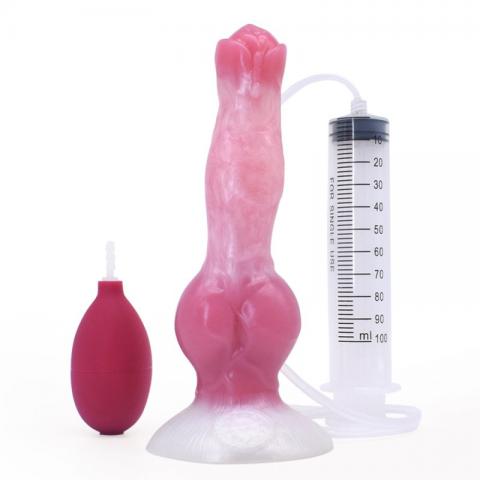

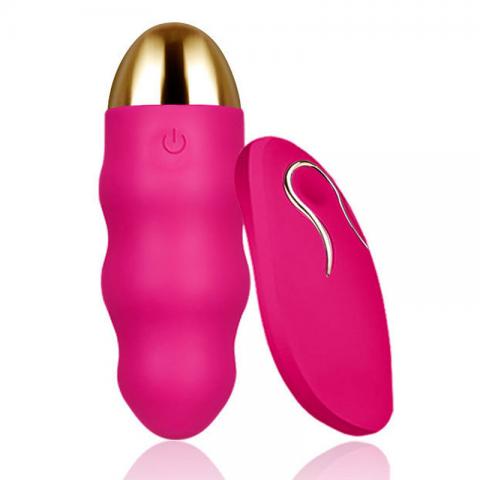
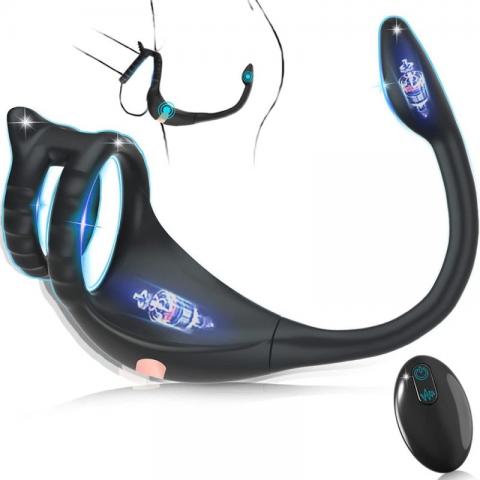
Read More huge dildo
Subscribe for Join Us!
Subcribe to get $10 OFF for order.
- Information
- About us
- Contact us
- Customer Service
- Privacy Policy
- Return Policy
- Shopping Guide
- Payment Methods
- Products
- Dildos
- Vibrators
- Penis Pumps
- Masturbation Cup
- Love Egg
- Contact Us
- [email protected]
- Room 1003, Chevalier House, 188 Chatham Road South, Tsim Sha Tsui, Kowloon, Hong Kong
CopyRight © 2026 wlovew.com. All Rights Reserved.


-
Follow Us On WhatsApp
My Cart (0)
Follow Us On WhatsApp
10$


 Want $10 OFF
Your First Order?
Sign up for the latest product information,offers,and more.
By providing your email address you are consenting to the terms of this privacy policy. select brand exclusions apply.
