Login
 USD $
USD $
USD $  AUD AUD
 CAD CAD
 GBP £
GBP £ EUR €
EUR €

All Categories
(0) My Cart (0)
Lambskin Dildo
New Arrival
Mushroom Dildo
Cheap
Huge Dildo
Penis Pumps
Masturbation Cup
Chastity Cage
Pocket Pussy
pleated filter cartridge factory
high flow filter cartridge
large flow filter cartridge
membrane pleated filter cartridge
capsule filter suppliers
capsule filter 0.2 micron
capsule filter price
capsule filter
water filter cartridge

What are the symptoms of syphilis nephropathy?
The transmission and pathogenesis of syphilis is characterized by periodic latent and recurrent syphilis, which is related to the production of immunity. When the immunity of the body decreases, Treponema pallidum can invade some parts of the body. Syphilis-associated nephropathy mainly occurs in acquired secondary syphilis, and its incidence is low. The clinical manifestations of acquired syphilis renal damage are varied, such as acute nephrotic syndrome, membranous glomerulonephritis penis pumping , acute progressive glomerulonephritis and so on, but the incidence of the latter is not high. However, syphilis tests should be performed routinely in patients with newly developed nephrotic syndrome to rule out the possibility of syphilis. So, what are the symptoms of syphilis nephropathy?
The main clinical manifestations of syphilis-related nephropathy are massive proteinuria, edema, general renal function and normal blood pressure. generally speaking, the clinical symptoms and signs and proteinuria of patients disappear within 6 months, and some patients can last for about one year. Syphilis-related nephrotic syndrome can often be relieved by itself, and syphilis nephropathy can disappear completely after anti-syphilis treatment.
In recent years, syphilis-related nephropathy caused by congenital syphilis has also been reported. Its clinical manifestations are edema, hematuria, severe proteinuria and mild renal insufficiency. Glomerular membrane proliferation can be seen under ordinary and electron microscopy. Focal extracapillary proliferative glomerulonephritis and extensive immune complex deposition between the membrane epithelium. The earlier the diagnosis, the better the prognosis.
Typical symptoms of syphilis nephropathy:
1. Proteinuria
When the protein content in urine increases, it can be detected by routine examination of ordinary urine, which is called proteinuria. If the urine protein content ≥ 3.5g/24h, it is called massive albuminuria. Under normal circumstances, due to the filtration of glomerular filtration membrane and the reabsorption of renal tubules, the content of protein (mostly refers to proteins with small molecular weight) in urine of healthy people is very small (daily excretion of less than 150 mg), and the protein qualitative examination shows negative reaction. In pathological conditions, such as kidney disease, the filtration effect of the filtration membrane will change. One of the typical diagnostic criteria of chronic nephritis, Henoch-Schonlein purpura nephritis, lupus nephritis and diabetic nephropathy is that proteinuria and hematuria are abnormal at the same time, which is highly suspected of nephropathy. The protein in normal urine is very little, not more than 7~10mg/24h, which can not be detected by routine urine examination. Breakage, charge barrier damage, increased renal permeability and the decrease or disappearance of negatively charged glycoproteins on the filtration membrane will lead to a significant increase in negatively charged plasma protein filtration compared with normal. Therefore, proteinuria is formed in clinic at this stage.
2. Abnormal urine routine.
Urine routine examination is an indispensable preliminary examination in clinic, because urine routine examination is a general diagnostic method for doctors to find kidney disease. It is found that most of the abnormal urine routine is the first indication of kidney or urinary tract disease, and it is often an important clue to the nature of the pathological process. Urine routine examination mainly includes the analysis of white blood cells, red blood cells, urine protein, urine sugar, urine specific gravity and pH. When getting the urine routine report, mainly look at "+" and "-". If it is all "-", it means everything is normal, and "+" means there is a problem. The amount of + in the test report has a certain relationship with the amount of protein in the urine. In order to make a clear diagnosis, it is necessary to check the quantity of 24-hour urine protein to diagnose which kind of nephropathy it belongs to, and to judge the severity of the disease.
3. Nephrotic syndrome
Nephrotic syndrome (nephrotic syndrome,NS), referred to as kidney syndrome for short, refers to a group of syndrome caused by a variety of causes, such as increased glomerular basement membrane permeability and decreased glomerular filtration rate. There are four clinical features: ① massive albuminuria, more than 3.5g/d, may have lipuria; ② hypoalbuminemia, serum albumin less than 30g / L; ③ hyperlipidemia; ④ edema. Among them, the first two are necessary conditions, and massive proteinuria is the most basic feature of the disease. In severe hypoalbuminemia, urinary protein excretion is often reduced, which may not reach the above standard rabbit vibrator , which should be paid attention to in diagnosis.
4. Edema
Edema refers to the accumulation of too much body fluid in the extravascular tissue space, which is one of the common clinical symptoms. About 5% of the body fluid remains in the tissue space, shuttling between the various nuclear capillaries of the body. Edema is characterized by obvious depression when the fingers press the parts with less subcutaneous tissue (such as the front of the leg). Traditional Chinese medicine calls it "moisture", also known as "edema". Edema is a common pathological process in which the accumulated body fluid comes from plasma and the ratio of sodium to water is roughly the same as that of plasma. Traditionally, excessive body fluid accumulation in the body cavity is called hydrocephalus (hydrops) or hydrops, such as pleural effusion, celiac hydrops anal vibrator , pericardial hydrops and so on.
5. Hematuria
Hematuria refers to centrifugally precipitated urine with 3 red blood cells per high magnification field of vision, or non-centrifuged urine with more than 1 hour or 1 hour urine red blood cell count more than 100000, or 12 hours urine sediment count more than 500000, all show abnormal increase of red blood cells in urine, which is a common urinary system symptom. The causes are urinary inflammation, tuberculosis, stones or tumors, trauma, drugs, etc., which have a great impact on the body. Light patients only find erythrocytosis under the microscope, which is called microscopic hematuria. Heavy appearance shows meat washing water or contains blood clots, which is called naked eye hematuria. Usually per liter of urine with 1mL blood is visible to the naked eye, the urine is red or meat washing water sample. After finding red urine, first of all, it is necessary to distinguish between true hematuria or pseudohematuria. Some drugs can cause red urine, such as aminopyrine, phenytoin sodium, rifampicin, phenol red, etc.; need to be distinguished from true hematuria. In recent years, there is an increasing trend in hematuria without obvious concomitant symptoms, most of which are glomerular hematuria strap on dildo , which has attracted extensive attention and research.
Realistic dildo | best vibrator | pvc dildo | fat pocket pussy | Mushroom Head Dildo | Penis Pumps
The main clinical manifestations of syphilis-related nephropathy are massive proteinuria, edema, general renal function and normal blood pressure. generally speaking, the clinical symptoms and signs and proteinuria of patients disappear within 6 months, and some patients can last for about one year. Syphilis-related nephrotic syndrome can often be relieved by itself, and syphilis nephropathy can disappear completely after anti-syphilis treatment.
In recent years, syphilis-related nephropathy caused by congenital syphilis has also been reported. Its clinical manifestations are edema, hematuria, severe proteinuria and mild renal insufficiency. Glomerular membrane proliferation can be seen under ordinary and electron microscopy. Focal extracapillary proliferative glomerulonephritis and extensive immune complex deposition between the membrane epithelium. The earlier the diagnosis, the better the prognosis.
Typical symptoms of syphilis nephropathy:
1. Proteinuria
When the protein content in urine increases, it can be detected by routine examination of ordinary urine, which is called proteinuria. If the urine protein content ≥ 3.5g/24h, it is called massive albuminuria. Under normal circumstances, due to the filtration of glomerular filtration membrane and the reabsorption of renal tubules, the content of protein (mostly refers to proteins with small molecular weight) in urine of healthy people is very small (daily excretion of less than 150 mg), and the protein qualitative examination shows negative reaction. In pathological conditions, such as kidney disease, the filtration effect of the filtration membrane will change. One of the typical diagnostic criteria of chronic nephritis, Henoch-Schonlein purpura nephritis, lupus nephritis and diabetic nephropathy is that proteinuria and hematuria are abnormal at the same time, which is highly suspected of nephropathy. The protein in normal urine is very little, not more than 7~10mg/24h, which can not be detected by routine urine examination. Breakage, charge barrier damage, increased renal permeability and the decrease or disappearance of negatively charged glycoproteins on the filtration membrane will lead to a significant increase in negatively charged plasma protein filtration compared with normal. Therefore, proteinuria is formed in clinic at this stage.
2. Abnormal urine routine.
Urine routine examination is an indispensable preliminary examination in clinic, because urine routine examination is a general diagnostic method for doctors to find kidney disease. It is found that most of the abnormal urine routine is the first indication of kidney or urinary tract disease, and it is often an important clue to the nature of the pathological process. Urine routine examination mainly includes the analysis of white blood cells, red blood cells, urine protein, urine sugar, urine specific gravity and pH. When getting the urine routine report, mainly look at "+" and "-". If it is all "-", it means everything is normal, and "+" means there is a problem. The amount of + in the test report has a certain relationship with the amount of protein in the urine. In order to make a clear diagnosis, it is necessary to check the quantity of 24-hour urine protein to diagnose which kind of nephropathy it belongs to, and to judge the severity of the disease.
3. Nephrotic syndrome
Nephrotic syndrome (nephrotic syndrome,NS), referred to as kidney syndrome for short, refers to a group of syndrome caused by a variety of causes, such as increased glomerular basement membrane permeability and decreased glomerular filtration rate. There are four clinical features: ① massive albuminuria, more than 3.5g/d, may have lipuria; ② hypoalbuminemia, serum albumin less than 30g / L; ③ hyperlipidemia; ④ edema. Among them, the first two are necessary conditions, and massive proteinuria is the most basic feature of the disease. In severe hypoalbuminemia, urinary protein excretion is often reduced, which may not reach the above standard rabbit vibrator , which should be paid attention to in diagnosis.
4. Edema
Edema refers to the accumulation of too much body fluid in the extravascular tissue space, which is one of the common clinical symptoms. About 5% of the body fluid remains in the tissue space, shuttling between the various nuclear capillaries of the body. Edema is characterized by obvious depression when the fingers press the parts with less subcutaneous tissue (such as the front of the leg). Traditional Chinese medicine calls it "moisture", also known as "edema". Edema is a common pathological process in which the accumulated body fluid comes from plasma and the ratio of sodium to water is roughly the same as that of plasma. Traditionally, excessive body fluid accumulation in the body cavity is called hydrocephalus (hydrops) or hydrops, such as pleural effusion, celiac hydrops anal vibrator , pericardial hydrops and so on.
5. Hematuria
Hematuria refers to centrifugally precipitated urine with 3 red blood cells per high magnification field of vision, or non-centrifuged urine with more than 1 hour or 1 hour urine red blood cell count more than 100000, or 12 hours urine sediment count more than 500000, all show abnormal increase of red blood cells in urine, which is a common urinary system symptom. The causes are urinary inflammation, tuberculosis, stones or tumors, trauma, drugs, etc., which have a great impact on the body. Light patients only find erythrocytosis under the microscope, which is called microscopic hematuria. Heavy appearance shows meat washing water or contains blood clots, which is called naked eye hematuria. Usually per liter of urine with 1mL blood is visible to the naked eye, the urine is red or meat washing water sample. After finding red urine, first of all, it is necessary to distinguish between true hematuria or pseudohematuria. Some drugs can cause red urine, such as aminopyrine, phenytoin sodium, rifampicin, phenol red, etc.; need to be distinguished from true hematuria. In recent years, there is an increasing trend in hematuria without obvious concomitant symptoms, most of which are glomerular hematuria strap on dildo , which has attracted extensive attention and research.
Realistic dildo | best vibrator | pvc dildo | fat pocket pussy | Mushroom Head Dildo | Penis Pumps

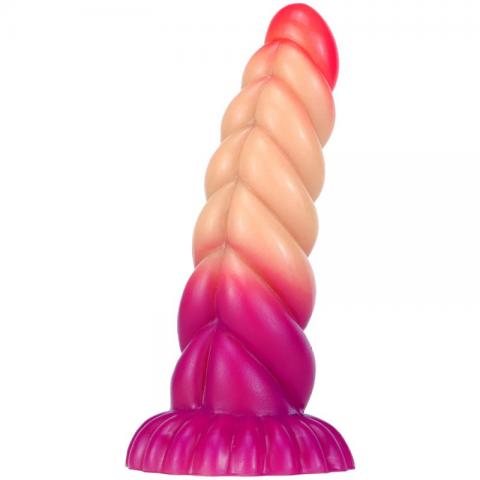

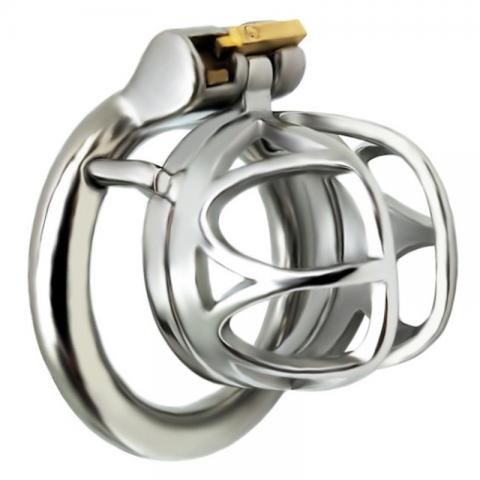
Read More huge dildo
Subscribe for Join Us!
Subcribe to get $10 OFF for order.
- Information
- About us
- Contact us
- Customer Service
- Privacy Policy
- Return Policy
- Shopping Guide
- Payment Methods
- Products
- Dildos
- Vibrators
- Penis Pumps
- Masturbation Cup
- Love Egg
- Contact Us
- [email protected]
- Room 1003, Chevalier House, 188 Chatham Road South, Tsim Sha Tsui, Kowloon, Hong Kong
CopyRight © 2026 wlovew.com. All Rights Reserved.


-
Follow Us On WhatsApp
My Cart (0)
Follow Us On WhatsApp
10$

 Want $10 OFF
Your First Order?
Sign up for the latest product information,offers,and more.
By providing your email address you are consenting to the terms of this privacy policy. select brand exclusions apply.
