Login
 USD $
USD $
USD $  AUD AUD
 CAD CAD
 GBP £
GBP £ EUR €
EUR €

All Categories
(0) My Cart (0)
Lambskin Dildo
New Arrival
Mushroom Dildo
Cheap
Huge Dildo
Penis Pumps
Masturbation Cup
Chastity Cage
Pocket Pussy
pleated filter cartridge factory
high flow filter cartridge
large flow filter cartridge
membrane pleated filter cartridge
capsule filter suppliers
capsule filter 0.2 micron
capsule filter price
capsule filter
water filter cartridge


The cause of miscarriage in the early stage of pregnancy may be on the husband.
Loss of pregnancy is one of the most common complications during pregnancy. The loss of early pregnancy refers to the termination of pregnancy less than 20 weeks or fetal weight less than 500g. Most of the loss of pregnancy is clinically unrecognizable and occurs before or with the next menstruation, such as loss before implantation xxl dildo , loss of biochemical pregnancy, invisible loss after implantation, etc.; 15-20% of pregnancy loss is clinically identifiable, including early abortion, pregnancy loss recognized by histology or ultrasound and embryo termination.
For a long time, the etiology of embryo loss in early pregnancy has mainly focused on female factors, such as heredity, endocrine, anatomy, immunity, microbial infection and environmental factors, while little attention has been paid to male factors. Abnormal male factors such as spermatozoa, which provide general chromosomes of embryos, can also affect embryonic development and lead to pregnancy loss.
What are the male factors that cause embryo loss in early pregnancy?
1. Abnormal karyotype of the man's chromosome
Abnormal karyotype is a common factor leading to the loss of pregnant embryos, and it is also the most concerned male factor in previous studies. Peripheral blood karyotype analysis is a classic genetic diagnostic method for male examination in clinic. it can detect chromosome number and find large deletions, repeats and translocations and other aberrations. however, it can only limit the etiology of embryo loss to large chromosome aberrations, but small aberrations such as staining microdeletions can not be identified, and the latter may also be a common factor leading to embryo loss.
Male karyotype abnormalities include two types: numerical abnormalities without genetic characteristics (addition or deletion of chromosomes) and structural aberrations that can be inherited by one of the parents (translocation, inversion, etc.). It has been agreed that abnormal karyotype of either parent will affect embryonic development and lead to embryo loss, especially in early pregnancy.
2. Semen quality
Semen quality is the most basic and intuitive index for the evaluation of male fertility. For many years, traditional semen routine analysis has been the most basic clinical index for judging male fertility, including sperm count, survival rate, motility and sperm morphology. Some studies have confirmed that abnormal sperm quality is related to delayed fertilization and abnormal embryo morphology. A retrospective study of the first IVF cycle and ICSI in patients with severe oligozoospermia found that the fertilization potential, implantation rate and clinical pregnancy rate decreased, and the rate of spontaneous abortion increased. Similar in vitro experiments have shown that semen quality plays an important role in fertilization, cleavage, blastocyst formation and implantation.
Third, sperm heredity and epigenetic factors
A great deal of evidence shows that the effect of sperm on embryogenesis does not simply provide a complete, haploid genome. In addition to providing highly accurate DNA coding sequences, sperm factors can affect multiple embryonic development processes such as fertilization, gamete binding, cleavage, implantation, and genetic modification. Studies have shown that some male infertile patients are accompanied by sperm chromosome aneuploidy, DNA breakage and abnormal chromatin agglutination, which can affect early embryonic development. Epigenetic changes of spermatozoa, such as highly programmed chromatin packaging errors, gene imprinting errors, centrosome loss or change, telomere changes, sperm RNA deletion and so on, can affect sperm function and lead to early embryo loss.
At present, assisted reproductive technology (ART), especially intracytoplasmic microinjection of single sperm oocyte (ICSI), is widely used in male infertile patients, which violates the selection boundary of natural fertilization. Even if abnormal sperm can be fertilized, it will cause embryonic development defects and lead to embryo loss. The effects of sperm heredity and epigenetics are necessary to ensure the normal nucleus of haploid male gametes and trigger the cascade events of normal embryonic development in the cytoplasm.
IV. Other factors
1. Age factors: in the general population and infertile patients, it was found that male age was related to embryo quality, abortion rate and pregnancy rate. Semen volume, sperm morphology and sperm motility decreased in older men, but no significant decrease in sperm density was found.
2. Psychological factors: B.Zorn et al evaluated the psychological factors of 1076 infertile couples and found that male psychological factors would affect the quality of semen, and the low ability to deal with stress led to an increase in the incidence of early pregnancy loss.
3. Inflammation or infection of male reproductive tract, such as epididymis-orchitis and prostatitis, can cause leukocytosis in semen and increase the level of ROS, resulting in DNA damage, thus affecting the quality of embryos and leading to the loss of pregnancy.
4. Smoking: a large number of studies have found that active smoking in women can increase the rate of pregnancy loss, but there are different conclusions on the exposure to passive smoking and the risk of pregnancy loss in women. Scott and other studies suggest that heavy smoking in men can increase the risk of early pregnancy loss by increasing exposure to mother or father, and delay clinical pregnancy.
5. Some life behaviors of men, such as sauna or special occupations such as welding, baking, driver, etc., lead to testicular overheating bbw dildo , which can cause sperm DNA damage by increasing the histone / protamine ratio, and one of the reasons for pregnancy loss during sperm DNA damage.
This paper summarizes the role of male factors in early pregnancy embryo loss, focusing on the inheritance of male somatic cells and germ cells and the influence of epigenetic factors on embryonic development, suggesting that it is necessary to screen the etiology of early pregnancy embryo loss. Male factor examination is very necessary. Although some recent studies are still in the exploratory stage best male masturbator dildo hero , they all suggest that male factors play an important role in early embryo loss, and future indicators for predicting or evaluating pregnancy loss should include more male factors. To reduce the influence of male factors on early embryo loss, after a series of prediction or evaluation, antioxidants were used to reduce sperm DNA damage; preimplantation genetic diagnosis (PGD) excluded chromosome and gene abnormalities; histology of aborted embryos; chromosome and genome detection, so as to find more effective treatment and preventive measures to reduce or avoid early embryo loss caused by male factors.
Realistic dildo | best vibrator | pvc dildo | fat pocket pussy | Mushroom Head Dildo | Penis Pumps
For a long time, the etiology of embryo loss in early pregnancy has mainly focused on female factors, such as heredity, endocrine, anatomy, immunity, microbial infection and environmental factors, while little attention has been paid to male factors. Abnormal male factors such as spermatozoa, which provide general chromosomes of embryos, can also affect embryonic development and lead to pregnancy loss.
What are the male factors that cause embryo loss in early pregnancy?
1. Abnormal karyotype of the man's chromosome
Abnormal karyotype is a common factor leading to the loss of pregnant embryos, and it is also the most concerned male factor in previous studies. Peripheral blood karyotype analysis is a classic genetic diagnostic method for male examination in clinic. it can detect chromosome number and find large deletions, repeats and translocations and other aberrations. however, it can only limit the etiology of embryo loss to large chromosome aberrations, but small aberrations such as staining microdeletions can not be identified, and the latter may also be a common factor leading to embryo loss.
Male karyotype abnormalities include two types: numerical abnormalities without genetic characteristics (addition or deletion of chromosomes) and structural aberrations that can be inherited by one of the parents (translocation, inversion, etc.). It has been agreed that abnormal karyotype of either parent will affect embryonic development and lead to embryo loss, especially in early pregnancy.
2. Semen quality
Semen quality is the most basic and intuitive index for the evaluation of male fertility. For many years, traditional semen routine analysis has been the most basic clinical index for judging male fertility, including sperm count, survival rate, motility and sperm morphology. Some studies have confirmed that abnormal sperm quality is related to delayed fertilization and abnormal embryo morphology. A retrospective study of the first IVF cycle and ICSI in patients with severe oligozoospermia found that the fertilization potential, implantation rate and clinical pregnancy rate decreased, and the rate of spontaneous abortion increased. Similar in vitro experiments have shown that semen quality plays an important role in fertilization, cleavage, blastocyst formation and implantation.
Third, sperm heredity and epigenetic factors
A great deal of evidence shows that the effect of sperm on embryogenesis does not simply provide a complete, haploid genome. In addition to providing highly accurate DNA coding sequences, sperm factors can affect multiple embryonic development processes such as fertilization, gamete binding, cleavage, implantation, and genetic modification. Studies have shown that some male infertile patients are accompanied by sperm chromosome aneuploidy, DNA breakage and abnormal chromatin agglutination, which can affect early embryonic development. Epigenetic changes of spermatozoa, such as highly programmed chromatin packaging errors, gene imprinting errors, centrosome loss or change, telomere changes, sperm RNA deletion and so on, can affect sperm function and lead to early embryo loss.
At present, assisted reproductive technology (ART), especially intracytoplasmic microinjection of single sperm oocyte (ICSI), is widely used in male infertile patients, which violates the selection boundary of natural fertilization. Even if abnormal sperm can be fertilized, it will cause embryonic development defects and lead to embryo loss. The effects of sperm heredity and epigenetics are necessary to ensure the normal nucleus of haploid male gametes and trigger the cascade events of normal embryonic development in the cytoplasm.
IV. Other factors
1. Age factors: in the general population and infertile patients, it was found that male age was related to embryo quality, abortion rate and pregnancy rate. Semen volume, sperm morphology and sperm motility decreased in older men, but no significant decrease in sperm density was found.
2. Psychological factors: B.Zorn et al evaluated the psychological factors of 1076 infertile couples and found that male psychological factors would affect the quality of semen, and the low ability to deal with stress led to an increase in the incidence of early pregnancy loss.
3. Inflammation or infection of male reproductive tract, such as epididymis-orchitis and prostatitis, can cause leukocytosis in semen and increase the level of ROS, resulting in DNA damage, thus affecting the quality of embryos and leading to the loss of pregnancy.
4. Smoking: a large number of studies have found that active smoking in women can increase the rate of pregnancy loss, but there are different conclusions on the exposure to passive smoking and the risk of pregnancy loss in women. Scott and other studies suggest that heavy smoking in men can increase the risk of early pregnancy loss by increasing exposure to mother or father, and delay clinical pregnancy.
5. Some life behaviors of men, such as sauna or special occupations such as welding, baking, driver, etc., lead to testicular overheating bbw dildo , which can cause sperm DNA damage by increasing the histone / protamine ratio, and one of the reasons for pregnancy loss during sperm DNA damage.
This paper summarizes the role of male factors in early pregnancy embryo loss, focusing on the inheritance of male somatic cells and germ cells and the influence of epigenetic factors on embryonic development, suggesting that it is necessary to screen the etiology of early pregnancy embryo loss. Male factor examination is very necessary. Although some recent studies are still in the exploratory stage best male masturbator dildo hero , they all suggest that male factors play an important role in early embryo loss, and future indicators for predicting or evaluating pregnancy loss should include more male factors. To reduce the influence of male factors on early embryo loss, after a series of prediction or evaluation, antioxidants were used to reduce sperm DNA damage; preimplantation genetic diagnosis (PGD) excluded chromosome and gene abnormalities; histology of aborted embryos; chromosome and genome detection, so as to find more effective treatment and preventive measures to reduce or avoid early embryo loss caused by male factors.
Realistic dildo | best vibrator | pvc dildo | fat pocket pussy | Mushroom Head Dildo | Penis Pumps
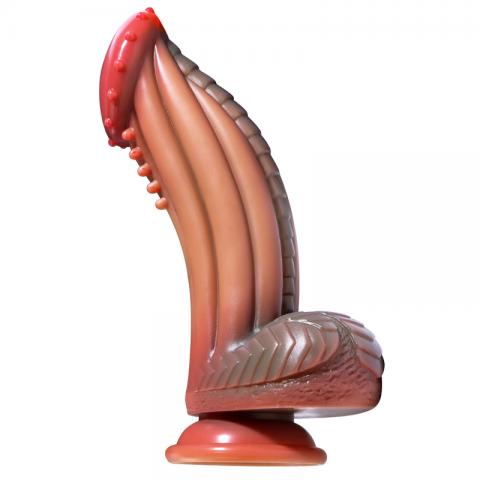
- Armor Warriors Dildo
- $24.26



Read More huge dildo
Subscribe for Join Us!
Subcribe to get $10 OFF for order.
- Information
- About us
- Contact us
- Customer Service
- Privacy Policy
- Return Policy
- Shopping Guide
- Payment Methods
- Products
- Dildos
- Vibrators
- Penis Pumps
- Masturbation Cup
- Love Egg
- Contact Us
- [email protected]
- Room 1003, Chevalier House, 188 Chatham Road South, Tsim Sha Tsui, Kowloon, Hong Kong
CopyRight © 2026 wlovew.com. All Rights Reserved.


-
Follow Us On WhatsApp
My Cart (0)
Follow Us On WhatsApp
10$

 Want $10 OFF
Your First Order?
Sign up for the latest product information,offers,and more.
By providing your email address you are consenting to the terms of this privacy policy. select brand exclusions apply.
