Login
 USD $
USD $
USD $  AUD AUD
 CAD CAD
 GBP £
GBP £ EUR €
EUR €

All Categories
(0) My Cart (0)
Lambskin Dildo
New Arrival
Mushroom Dildo
Cheap
Huge Dildo
Penis Pumps
Masturbation Cup
Chastity Cage
Pocket Pussy
pleated filter cartridge factory
high flow filter cartridge
large flow filter cartridge
membrane pleated filter cartridge
capsule filter suppliers
capsule filter 0.2 micron
capsule filter price
capsule filter
water filter cartridge
Physiological anatomy and function of the prostate (picture)
Physiological anatomy of the prostate Where is the location of the prostate? The prostate is located at the bottom of the pelvis. Above it is the bladder, below it is the urethra, in front of it is the pubic bone, and behind it is the rectum. When the doctor performs digital rectal diagnosis, the prostate can be touched forward. This is the reason. The left and right sides of the prostate are fixed by many ligaments and fascia, which determines its hidden position. It is located below the bladder neck and surrounds the junction of the bladder orifice and the urethra. Therefore, this part of the urethra is called the "urethral prostate" male masturbators , which means that the channel formed in the middle of the prostate forms the upper mouth of the urethra. It can be said that the prostate protects the upper orifice of the urethra, and this is the reason why the prostate gland is affected first. Physiological and anatomical map of the prostate The prostate is small in size and can be said to be one of the smallest organs in the human body. It weighs about 20 grams, less than 50 grams. The location is hidden and difficult to diagnose. The prostate is shaped like an inverted chestnut. It is often called a cone in medical books. It does not seem to be more vivid than a chestnut. Its bottom has a transverse diameter of 4 centimeters, a longitudinal diameter of 3 centimeters, and a front-to-back diameter of 2 centimeters. The prostate is closely adjacent to the vas deferens and seminal vesicles. The ejaculatory duct enters the prostate from the upper part and opens into the recess in the middle of the prostate. This physiological position can easily explain why prostate diseases often involve sexual function. It can even be called "prostatitis and seminal vesiculitis" are a pair of "difficult brothers". Composition of the prostate The prostate is divided into 5 lobes, called anterior lobe remote vibrator , middle lobe, posterior lobe and both lateral lobes. The anterior lobe is very small and located between the left and right lobes and the urethra, and has no clinical significance. The posterior lobe is located behind the middle lobe and both lobes. This lobe is the one that is touched during digital rectal examination. There is a physiological central sulcus in the middle. During digital rectal examination, it is often judged based on whether the central sulcus has become shallow or disappeared. Whether the prostate has increased. The main areas where hyperplasia occurs in the prostate are the middle lobe and two lateral lobes. Nature of the prostate The prostate is a unique organ to men and the largest accessory gonad in the male reproductive organs. Controlled by androgens, the prostate is small in male childhood and rapidly grows under the influence of sex hormones during development. After the age of 30, the prostate gland is stable. Until the age of 45 magic wand vibrator strap on dildo , if the gland does not show hyperplasia, the prostate tissue will shrink in old age and its size will shrink accordingly. Hot article on the Gender Channel of the Week recommends experts to teach you male genital massage and health care (Illustration) AV actress sex skills that drive men crazy and make women more and more addicted sex skills that make them more addicted. Sex afterplay 4 tricks that allow her to have a second climax. Physiological anatomy: Different shapes of hymen Private parts Health: How much is it for a woman to shave her pubic hair? Russia has many women and few men. How to solve sexual hunger and thirst? Dictation: Being a male nanny but becoming her sexual partner when she is hungry and hungry, the hidden crisis in modern monogamy explains the decadent sex life of Japanese female prisoners
Realistic dildo | best vibrator | pvc dildo | fat pocket pussy | Mushroom Head Dildo | Penis Pumps
Realistic dildo | best vibrator | pvc dildo | fat pocket pussy | Mushroom Head Dildo | Penis Pumps
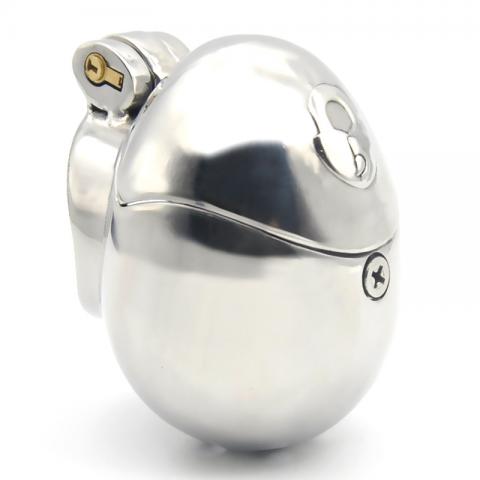
- Egg Male Chastity Cage
- $53.99
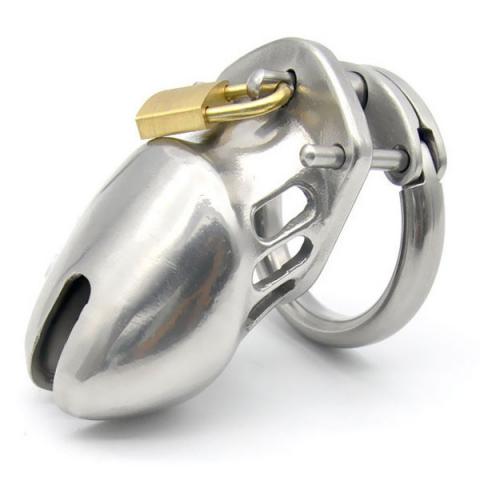

Read More huge dildo
Subscribe for Join Us!
Subcribe to get $10 OFF for order.
- Information
- About us
- Contact us
- Customer Service
- Privacy Policy
- Return Policy
- Shopping Guide
- Payment Methods
- Products
- Dildos
- Vibrators
- Penis Pumps
- Masturbation Cup
- Love Egg
- Contact Us
- [email protected]
- Room 1003, Chevalier House, 188 Chatham Road South, Tsim Sha Tsui, Kowloon, Hong Kong
CopyRight © 2026 wlovew.com. All Rights Reserved.


-
Follow Us On WhatsApp
My Cart (0)
Follow Us On WhatsApp
10$

 Want $10 OFF
Your First Order?
Sign up for the latest product information,offers,and more.
By providing your email address you are consenting to the terms of this privacy policy. select brand exclusions apply.
